

How Expats Can Finance a Property in Dubai or Ajman – Without a UAE Salary
Can Expats Really Finance Property in Dubai or Ajman Without a UAE Salary? Expats can finance property by leveraging stable foreign income. UAE banks a...
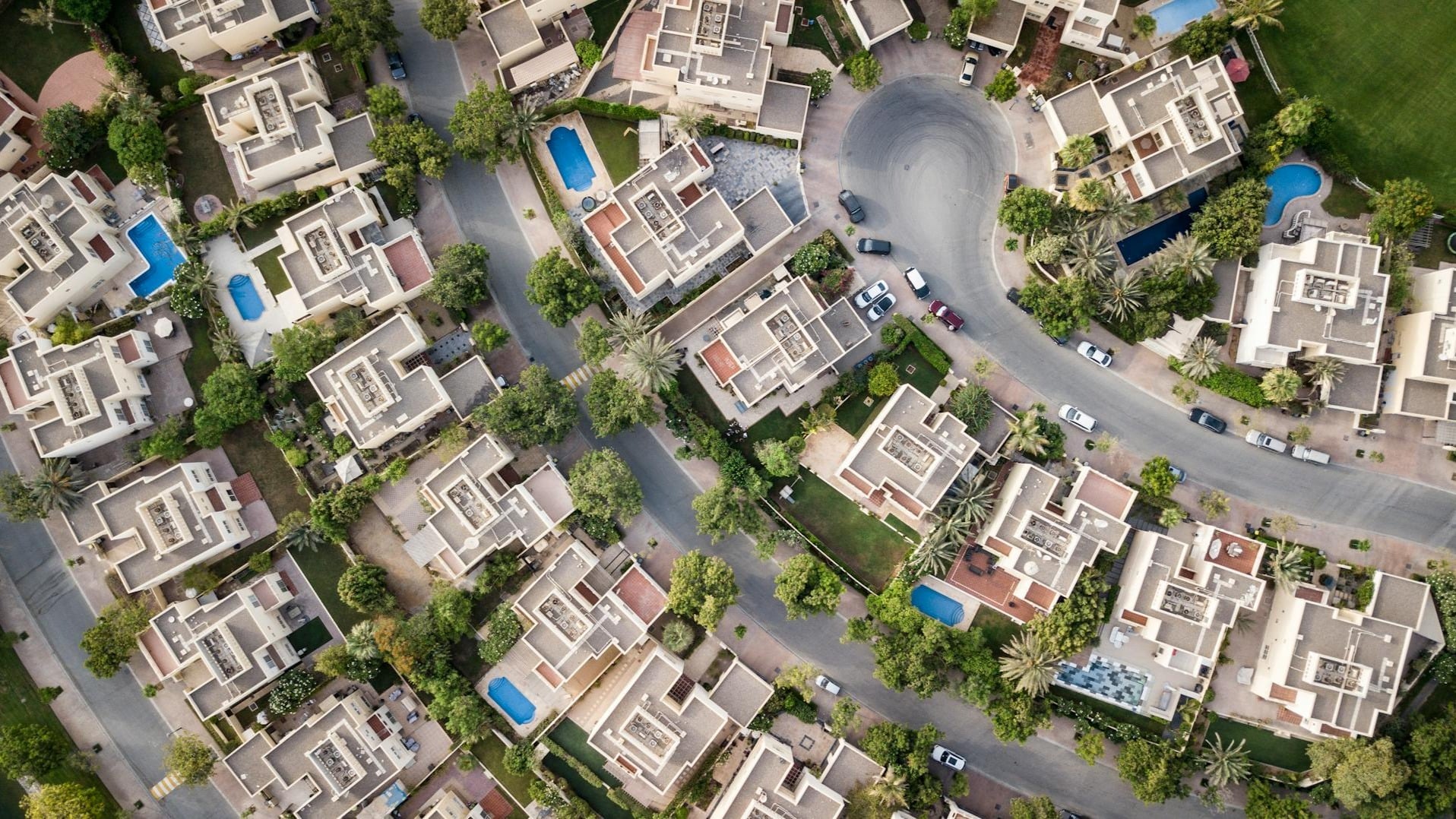
Expats can finance property by leveraging stable foreign income. UAE banks assess overseas earnings through bank statements, tax returns, and salary certificates. This approach enables the purchase of a property in Dubai or Ajman without a UAE salary, thereby strengthening financing options in both emirates. In 2025, the UAE Central Bank regulations will permit non-residents to obtain mortgages in approved freehold areas, provided they meet the minimum income requirements and submit strong evidence of financial stability.
Non-residents target Dubai’s high-yield areas like Dubai Marina or Downtown, or Ajman’s affordable options in Al Zorah. Buying a property in Ajman or Dubai for an expat requires a minimum equivalent income of AED 15,000 monthly, good credit, and a down payment of 35–50%. This guide covers eligibility, options, and processes to help expats navigate expat finance property in Dubai or Ajman.
Key benefits include potential residency visas: Properties over AED 2 million qualify for a 10-year Golden Visa, even without local employment. Buying property in the UAE without residency is possible, as mortgages are available pre-visa. The expat buying process UAE involves pre-approval, property selection, and transfer at the land department. For Dubai mortgage for foreigners, banks like HSBC and Mashreq cater to international applicants.
This comprehensive breakdown draws from UAE Central Bank rules, bank offerings, and market data to ensure expats make informed decisions in the Dubai–Ajman property market.
1. Can Expats Finance Property? (Full Eligibility Breakdown)
Yes, expats can finance property in Dubai or Ajman without a UAE salary if they demonstrate reliable overseas income. Banks evaluate applications based on global financial stability rather than local employment.
A. How Banks Assess Expats With Foreign Income
Banks assess income using:
- 6–12 months of foreign bank statements
- Employer letters/salary certificates
- Tax returns
- Currency conversion buffers (10–20%)
- Debt-service ratio (DSR < 50%)
- International credit reports (Equifax, TransUnion)
To support finance property UAE for expats, banks like Emirates NBD and FAB apply stress tests for currency risk and affordability.
B. Salary Requirements + Accepted Currencies
- Salaried: AED 15,000 equivalent
- Self-employed: AED 25,000 equivalent
- Accepted currencies: USD, EUR, GBP, CAD, AUD, GCC currencies
A home loan without a UAE salary is common when income comes from stable economies.
C. Countries Accepted by UAE Banks
Approved countries include:
US, UK, Canada, Europe, India, Pakistan, Australia, Singapore, GCC.
Restricted:
Iran, North Korea, and sanctioned jurisdictions.
Ajman Bank accepts a broader range of Ajman property loans for expats living outside the UAE.
D. How Non-Residents Qualify Without a UAE Job
No UAE employment is needed. Approval is based on:
- Foreign income stability
- Clean credit history
- Strong banking profile
A growing segment of non-resident mortgage applicants is securing mortgages remotely.
2. Mortgage Options for Non-Residents in the UAE (Dubai + Ajman)
A. Fixed-Rate vs Variable-Rate Mortgages
Fixed rates are better for risk-averse expats who want payment predictability, while variable rates may be more attractive if you expect EIBOR to come down (or are comfortable with rate risk). HSBC, among other banks, offers both types and has mortgage products available to non-residents, though non-resident access to its fixed-rate product is limited to Global Private Banking or Premier customers.
B. Non-Resident Mortgage UAE — Limits, Terms & Conditions
Non-resident mortgages in the UAE are subject to tighter lending conditions compared to resident mortgages. According to Central Bank regulations:
- Borrowers can typically take a mortgage of up to 7× their annual income, provided their debt burden ratio (DBR) does not exceed 50% of gross monthly income.
- The maximum loan term allowed is 25 years, though each bank may set its own age-at-maturity limits.
- For ready/completed properties, Loan-to-Value (LTV) ratios for non-residents generally range from 50% to around 65%, depending on the borrower’s profile and the bank.
- For off-plan developments, the Central Bank imposes a strict LTV cap of 50%, which means non-residents must contribute at least half of the property value upfront.
- As a result of these LTV limits, down payments for non-residents usually range between 35% and 50%.
C. Islamic Home Finance Options for Expats
Islamic options like Murabaha (cost-plus profit) or Ijara (lease-to-own) avoid interest, using profit rates of 4-6%. Dubai Islamic Bank (DIB) provides up to 80% finance for non-residents. This aligns with expatriate property loans for Sharia-compliant expats
D. Off-Plan Financing Options for Expats
Very strict rules:
- Off-plan max LTV: 50%
- The developer must be bank-approved
- Payments follow milestone schedules
- Banks disburse after 20–40% completion
Ideal for buyers planning a Dubai property investment for expats.
3. UAE Home Loan Eligibility for Foreigners
Banks scrutinize several factors for UAE home loan eligibility for foreigners.
·Minimum Income Requirements
Salaried: AED 15,000 equivalent; self-employed: AED 25,000. Income must cover DSR under 50%.
·Credit Score Requirements for Expats
Minimum 650-700 from international bureaus. UAE's Al Etihad Credit Bureau checks the local history, if any.
·Accepted Proof of Income for Non-UAE Salary
Bank statements (6-12 months), tax returns, and salary certificates. Self-employed need audited financials.
·Eligibility for Residents vs Non-Residents
Residents get 75-80% LTV; non-residents 50-65%. Non-residents face higher rates but no residency requirement.
4. Home Loan Requirements for Expats in Dubai
Dubai mortgage for foreigners demands specific proof.
·Required Documents (UAE + International)
Passport, income proofs, bank statements, credit report, property docs. For non-residents, home country address proof.
·Down Payment Rules (LTV ratios for Expats)
35-50% down; LTV 50-65%. Higher than AED 5M.
·Fees, Valuation Costs, and Bank Charges
Arrangement fee: 1%; valuation: AED 2,500-3,500; registration: 0.25%. Buyers pay all in 2025.
·Approval Timeline and Pre-Approval
Pre-approval: 1-2 days; full: 2-4 weeks. Buying a property in Dubai as an expat starts with pre-approval.
5. Best Banks for Expat Mortgages in the UAE
Select banks excel in expat mortgage Dubai.
1.Top Banks Offering Non-Resident Mortgages
HSBC, Emirates NBD, FAB, Mashreq, ADCB, DIB, Ajman Bank.
2.Banks With Easiest Approval for Expats
Mashreq and HSBC for quick processing; Ajman Bank for Ajman properties.
3.Banks Accepting Overseas Income
All listed accept, with Emirates NBD offering up to AED 25M. Supports foreign investor mortgages in the UAE.
6. UAE Mortgage Rules for Non-Residents
Central Bank Requirements
- DSR/DBR: < 50%
- Borrowing cap: 7× annual income
- No bank-paid fees
LTV Rules
- Ready property: 50–65%
- Off-plan: max 50%
Age Limits
- Salaried: 60–65
- Self-employed: 65–70
Country Restrictions
Sanctioned countries are not eligible.
7. How Much Deposit Do Expats Need?
Residents
- 20–25% (< AED 5M)
- 30% (> AED 5M)
Non-Residents
- 35–50% standard
- 20–40% in rare luxury cases
Off-Plan
- 40–50% total, milestone payments
Ajman
- 30–50%, lower because property prices are cheaper
- Some developers: 20–25%
8. Step-by-Step Process: How Expats Buy Property Without a UAE Salary
1. Choose Freehold Areas
Dubai: Marina, JVC, Downtown
Ajman: Emirates City, Al Helio
2. Sign Sales Agreement / MoU
Pay a 10% booking.
3. Pay Down Payment
Non-residents: 35–50%
4. Apply for a Mortgage
Submit documents + get pre-approval.
5. Final Transfer
Register with:
- Dubai Land Department
- ARRA (Ajman)
9. Ajman Property Loans for Expats Living Outside the UAE
Why Ajman Is Easier
- Lower prices
- Higher yields (6–10%)
- More flexible banks
- Foreign investor-friendly
Banks Offering Ajman Mortgages
- Ajman Bank → up to 70%
- ADCB
- Mashreq
- RAK Bank
Conclusion
If you're an expat looking to finance property in Dubai or Ajman without a UAE salary, you've got some solid paths forward in 2025—as long as you tick the boxes on things like reliable income from abroad and a decent credit score. Banks like HSBC and Mashreq are great for international property loans tailored to folks like you, and the whole journey from getting pre-approved to sealing the deal can even unlock perks such as the Golden Visa if your property hits a certain value.
The Dubai-Ajman property market is buzzing right now, with fresh developments drawing in investors to Dubai and Ajman stepping up with more affordable options backed by better infrastructure. It's creating real chances for growth and steady returns that can fit right into your investment plans.
To make it all work, just stay on top of the rules around loan-to-value ratios and any currency ups and downs. With policies leaning in favor of non-resident property funding, this could be your moment to jump in. Chat with some pros to get advice that fits your situation, and you could be building something great in the UAE's exciting real estate scene.
Ready to buy your property in Dubai or Ajman?
IM Properties can guide you with the best financing options for expats and non-residents.
Contact us today.
Frequently Asked Questions
1. How much deposit do expats need for a Dubai property?
Expats need a 35–50% down payment as non-residents.
2. What is the minimum salary required for a home loan in the UAE for an expat?
AED 15,000 (salaried) / AED 25,000 (self-employed).
3. Can expats buy property in Ajman?
Yes, in all freehold zones.
4. Can I buy a property in Dubai without a down payment?
No. Minimum 35% required.
5. Can foreigners get a loan to buy property in Dubai?
Yes, with foreign income proof.
6. Can foreigners buy property in Dubai with a mortgage?
Yes, in freehold areas.
7. How do expats buy property in the UAE?
Pre-approval → property → deposit → mortgage → transfer.
8. How to buy property in Dubai as an expat?
Start with mortgage pre-approval.
9. Can you buy property in the UAE without living there?
Yes, fully allowed for non-residents.
10. Can I buy property in Dubai without a UAE job?
Yes. Foreign salary is accepted.
11. Can expats get a mortgage in Dubai without a local job?
Yes, with stable international earnings.
Ali Ahmad
Ali Ahmad is a licensed property consultant at IM Properties LLC, Ajman. With 3 years in Ajman's real estate market, he helps buyers and families find the right home by matching properties with lifestyle needs — from school proximity and daily commute to neighborhood dining and community feel. He has facilitated 100+ property transactions across Al Rashidiya, Ajman Downtown, and Emirates City. Ali writes about market trends, investment strategies, and the neighborhoods that make Ajman one of the UAE's most livable emirates.
You Might Also Like



Stay Updated with Market Insights
Get exclusive real estate market analysis, investment opportunities, and expert tips delivered straight to your inbox every week.
Trusted by 850+ customers · ★★★★★ 4.9/5 average rating