

New Visa Rules: The UAE Opened Its Doors Wider! Here's What That Means for Your Future
In late February 2026, the US and Israel struck Iran, leaving the Gulf unprepared for the aftermath. Flights grounded. Airspace closed. Tourists stran...
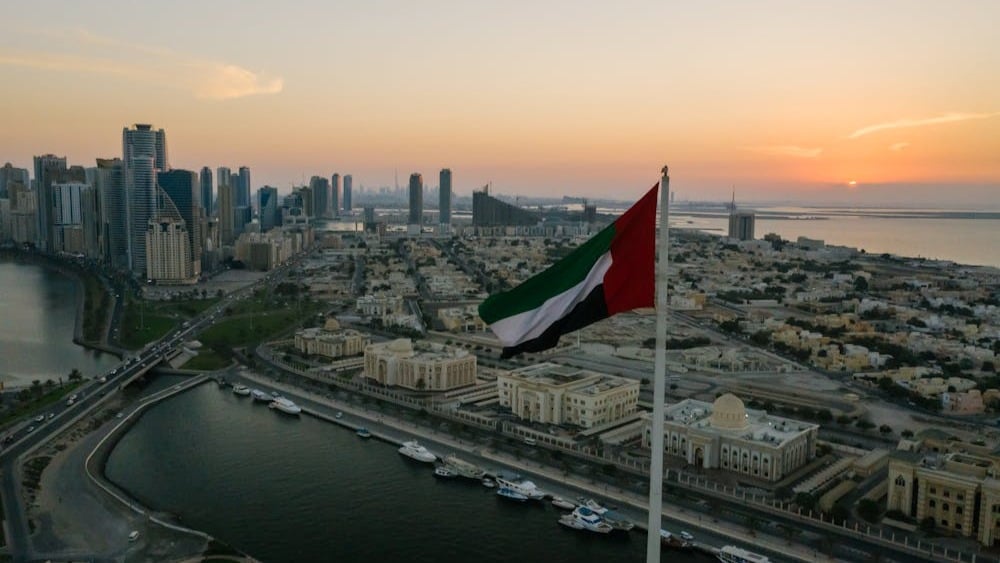
In late February 2026, the US and Israel struck Iran, leaving the Gulf unprepared for the aftermath. Flights grounded. Airspace closed. Tourists stranded. The entire region was in a state of anticipation.
And then something unexpected happened. While every other country in the region was scrambling, the UAE did something different. It stabilized. It protected its people. Then, it began to unveil opportunities that were previously unknown to most people. If you want to understand why smart investors are already acting on this, this breakdown on turning market anxiety into real assets is worth a few minutes of your time.
If you've been watching the Middle East from a distance, wondering whether there's still an opportunity there, keep reading. The UAE's actions during and after this conflict reveal everything about the future direction of events.
The Region Felt the Pressure—The UAE Showed What It's Made Of
Global tensions in early 2026 created ripple effects across the entire Middle East. The UAE, like every country in the region, felt that pressure. Flights were temporarily disrupted. Some events were rescheduled. Travel patterns shifted across the Gulf.
But here's what most people missed in all that noise.

The UAE government moved fast. Not only did they focus on security, but they also made significant economic progress. Fee support was rolled out for tourism businesses almost immediately. Stability measures for the supply chain were put in place. Price controls on essentials were introduced to protect residents. A full tourism rescue plan was launched within weeks.
The message from the UAE was deliberate and clear — the situation is temporary, and we are already three steps ahead of it.
The World Travel and Tourism Council noted significant disruption across the region during this period. But what separated the UAE from everyone else was the speed and structure of its response. While others were reacting, the UAE was already rebuilding.
That kind of response doesn't happen by accident. It happens when a country knows exactly what it's worth to the world and refuses to let outside chaos write its story.
New Visas That Didn't Exist Before the Conflict
One of the most practical things the UAE did during this period was to introduce visa categories that directly responded to the new reality.
Four entirely new visa types were launched in 2026. An AI Specialist Visa for people working in artificial intelligence, data science, and advanced technology. The UAE also introduced an entertainment visa specifically designed for artists and creative professionals. An Event Visa for people involved in conferences and exhibitions. And a Maritime Tourism Visa for cruise and marine industry professionals.
These weren't random. The UAE looked at which sectors got hit hardest by the conflict—tourism, events, tech confidence—and built specific pathways to bring the right people back in.
On top of that, a humanitarian resident permit was introduced. No sponsor required. Designed specifically for people displaced by conflict, natural disasters, or civil unrest. That's an entirely new category that simply didn't exist before February 2026.
For Indian nationals, specifically, the visa-on-arrival facility was confirmed and expanded during this period. If you hold a valid visa or residence permit from the US, UK, Canada, Australia, or select European countries, you can land in Dubai without pre-arranging a visa. That's a direct response to the massive repatriation operations that happened during the conflict, when over 52,000 Indian nationals had to be brought home from the Middle East.
The Golden Visa Got Bigger—and More Personal
Before the conflict, the Golden Visa was largely seen as something for wealthy investors and select professionals. The UAE changed that in 2026.
Teachers. Nurses. Healthcare workers. Content creators. Digital professionals. Philanthropists. All were newly added to the Golden Visa eligibility list during this period.
Think about why that matters in context. The conflict exposed exactly which people a country needs to function when things get difficult. Medical professionals. Educators. People who keep information and communication flowing. The UAE basically looked at who showed up during the crisis and said We want you here permanently.
A 5- or 10-year residency that isn't tied to your employer. That's not just a visa. That's a foundation for a life.
Property: The Opening Most People Are Still Sleeping On
Here's something the headlines didn't cover much.
While the conflict created short-term nervousness, it also created something else — better entry conditions for serious buyers. Some sellers got anxious. Developers got competitive. Payment plans got more flexible almost overnight.
50/50 payment structures became common. Post-handover plans extending up to 3 years appeared. DLD fee waivers — which wipe out the standard 4% registration fee — became a tool developers used aggressively to keep transactions moving.
And the fundamentals underneath all of this never changed. Dubai still offers 100% foreign ownership in freehold zones. No property tax. Rental yields sit between 6% and 9%. A market that has proven it can absorb a regional war and still keep transacting.
The people who moved during the uncertainty are already looking smart. That story tends to repeat itself.
Business Setup Got a Real Boost Too
The UAE quietly relaxed one of the biggest barriers for foreign entrepreneurs during this period. Business visas no longer require a local sponsor in many cases. You can now come to the UAE, explore opportunities, attend meetings, and set up without needing someone else to vouch for you legally.
For anyone who's been putting off setting up in the UAE because the process felt complicated or dependent on finding the right local contact — that excuse just got a lot smaller.
Zero income tax. Zero capital gains tax. A city of 3.7 million people actively rebuilding and growing after a crisis. The conditions for business are as open as they have ever been.
Ajman Is Quietly Becoming the Smartest Entry Point in the UAE
While Dubai gets most of the headlines, Ajman has been doing something interesting in the background. It's become the most accessible and affordable gateway into UAE property ownership — and the post-conflict period has only made that more true. If you've been priced out of Dubai or simply want better value for your money without sacrificing quality, buying property in Ajman is worth a serious look right now. And for those not ready to buy just yet, the rental market there is equally strong — renting in Ajman gives you a real feel for the emirate before you commit. The team at IM Properties has been helping people navigate exactly this — finding the right entry point at the right time, without the overwhelm.
The Honest Bottom Line
The conflict was real. The disruption was real. Nobody is pretending otherwise.
But what came after it was also real. New visa categories. Expanded Golden Visa access. A humanitarian permit that didn't exist before. More flexible property deals. Easier business entry. A government that responded to a crisis by making the country more accessible, not less.
Most people are still waiting for the dust to completely settle before they make any kind of move. That's their choice.
But if you look at what the UAE actually did during one of the hardest moments in recent regional history — and then look at what it's offering right now — the picture becomes pretty clear.
The door opened wider during the storm. It's still open now.
The question is what you're going to do about it.
Frequently Asked Questions
Is the UAE safe right now?
Yes. The UAE responded fast, security systems held up, and life is back to normal for residents and visitors.
What new visas did the UAE introduce in 2026?
Four new ones — AI Specialist Visa, Entertainment Visa, Event Visa, and Maritime Tourism Visa. Plus a Humanitarian Resident Permit that needs no sponsor.
Who can get the Golden Visa now?
Teachers, nurses, healthcare workers, content creators, digital professionals, and philanthropists — all newly added in 2026. 5- or 10-year residency, not tied to your employer.
Can Indians travel to the UAE without a visa?
Yes, if you hold a valid visa or residency from the US, UK, Canada, Australia, or select European countries, a visa on arrival is available.
Is it a good time to buy property in Dubai?
Many think so. Developers got flexible — easier payment plans, DLD fee waivers, and better entry prices. Rental yields of 6% to 9% and zero property tax haven't changed.
Can I start a business without a local sponsor?
In many cases, yes. The UAE relaxed business visa rules in 2026. Free zones still offer 100% foreign ownership with a straightforward setup.
Do I need to be wealthy to invest in the UAE?
No. Property investment starts at AED 750,000. Flexible payment plans mean you don't always need the full amount up front.
Is the UAE still tax-free in 2026?
Yes. No income tax. No capital gains tax. No property tax. Still, one of the biggest reasons people choose the UAE.
Ali Ahmad
Ali Ahmad is a licensed property consultant at IM Properties LLC, Ajman. With 3 years in Ajman's real estate market, he helps buyers and families find the right home by matching properties with lifestyle needs — from school proximity and daily commute to neighborhood dining and community feel. He has facilitated 100+ property transactions across Al Rashidiya, Ajman Downtown, and Emirates City. Ali writes about market trends, investment strategies, and the neighborhoods that make Ajman one of the UAE's most livable emirates.
You Might Also Like


Stay Updated with Market Insights
Get exclusive real estate market analysis, investment opportunities, and expert tips delivered straight to your inbox every week.
Trusted by 850+ customers · ★★★★★ 4.9/5 average rating