

Property Snagging & Handover Inspection Checklist for Off-Plan Buyers in Ajman (2026 Guide)
Getting the call that your off-plan unit is ready for handover is exciting — but it's also the single most important inspection you'll do as a buyer. Once you sign...

Getting the call that your off-plan unit is ready for handover is exciting — but it's also the single most important inspection you'll do as a buyer. Once you sign the handover form, most developers consider the unit accepted "as is." Any cracks, faulty wiring, or missing fittings become your problem, not theirs.
This is called snagging — the process of walking through a newly completed property and listing every defect before you accept the keys. In a market like Ajman, where off-plan sales make up a large share of transactions, a proper snagging inspection is the difference between moving into a flawless home and spending your first year chasing the developer for repairs.
This guide walks you through exactly what to check, room by room, and what to do if you find a problem.
What Is Snagging and Why It Matters
Snagging is a pre-handover inspection where you (or a hired inspector) identify defects — structural, cosmetic, or mechanical — and list them formally for the developer to fix before final handover. If you've already read our guide on how to buy off-plan properties in Ajman, this is the final step in that journey — the point where the property moves from a floor plan to something you can actually inspect.
Skipping this step is one of the costliest mistakes off-plan buyers make. We've covered common pitfalls before in our piece on off-plan investment myths — assuming the developer will "sort it out later" is one of the biggest.
Under ARRA regulations, developers are required to hand over units that match the agreed specification. If you're unfamiliar with how ARRA protects buyers during handover disputes, our complete ARRA guide breaks down your rights in detail.
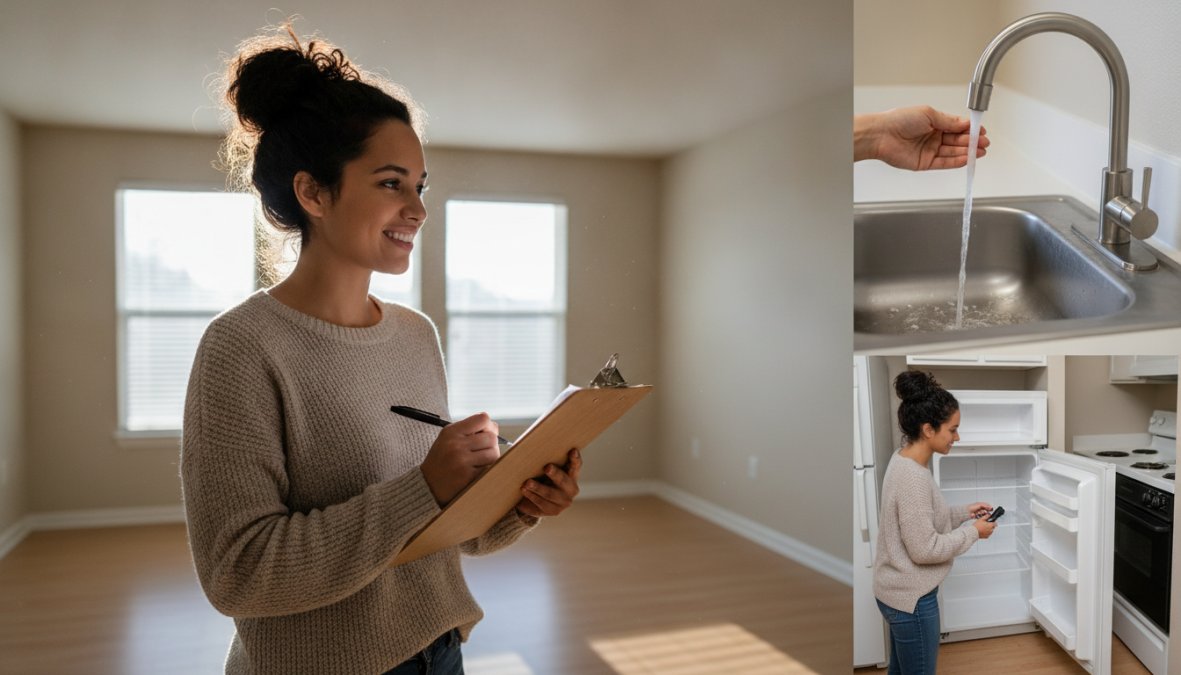
Before You Arrive: What to Bring
- A copy of your Sales and Purchase Agreement (SPA) and unit floor plan
- A phone with a good camera, fully charged
- A flashlight
- A phone charger (to test every socket)
- A marble or small ball (to test floor levelness)
- Masking tape (to mark defects directly on surfaces)
- A notepad or snagging checklist app
- Comfortable clothes — you'll be checking floors, cabinets, and tight corners
Try to schedule your inspection during daylight hours so you can properly judge paint finish, tile alignment, and natural light — never accept a handover appointment that only offers you an evening slot.
Structural and Wall Checks
Start broad before narrowing in on fittings.
- Check walls and ceilings for visible cracks, especially near corners and window frames
- Run your hand along walls to feel for uneven plastering
- Check that walls are properly painted with no patchy coverage or roller marks
- Confirm ceiling height matches what was specified in your SPA
- Look for water stains on ceilings, which can indicate plumbing leaks from the unit above
- Check that the unit's actual layout matches your floor plan — room sizes, door placements, and window positions
Electrical and MEP Checks
Mechanical, electrical, and plumbing (MEP) issues are the most expensive to fix after handover, so this is worth extra time.

- Test every single electrical socket using your phone charger
- Check that all light switches work and are wired to the correct fixtures
- Confirm the distribution board (fuse box) is properly labeled and accessible
- Test doorbell and intercom systems if installed
- Check smoke detectors are present and functioning
- Confirm water pressure at every tap and shower
- Flush every toilet and check for leaks at the base
- Run all taps for a few minutes and check under sinks for dripping pipes
Air Conditioning and Cooling Systems
Given Ajman's climate, a faulty AC system isn't a minor snag — it affects whether the unit is livable.
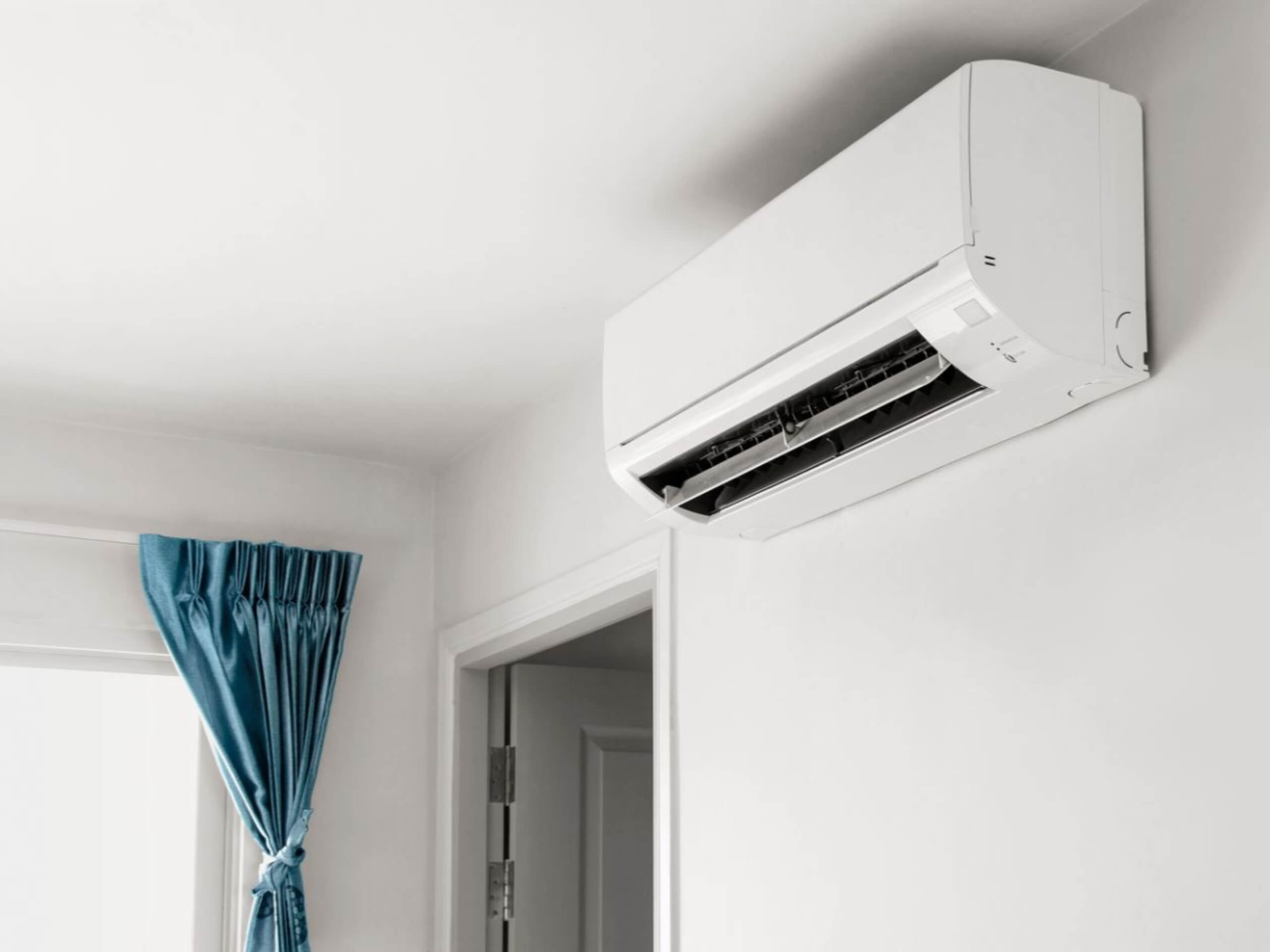
- Turn on the AC in every room and confirm cold air is produced within a reasonable time
- Check that AC units are securely mounted with no visible leaks or dripping
- Ask whether the AC is chiller-based (district cooling) or split-unit, and confirm this matches what was advertised
- Check for unusual noise or vibration when the unit runs
- Confirm thermostat controls are functional, especially if the unit is marketed as "smart home" enabled
Doors, Windows, and Finishes
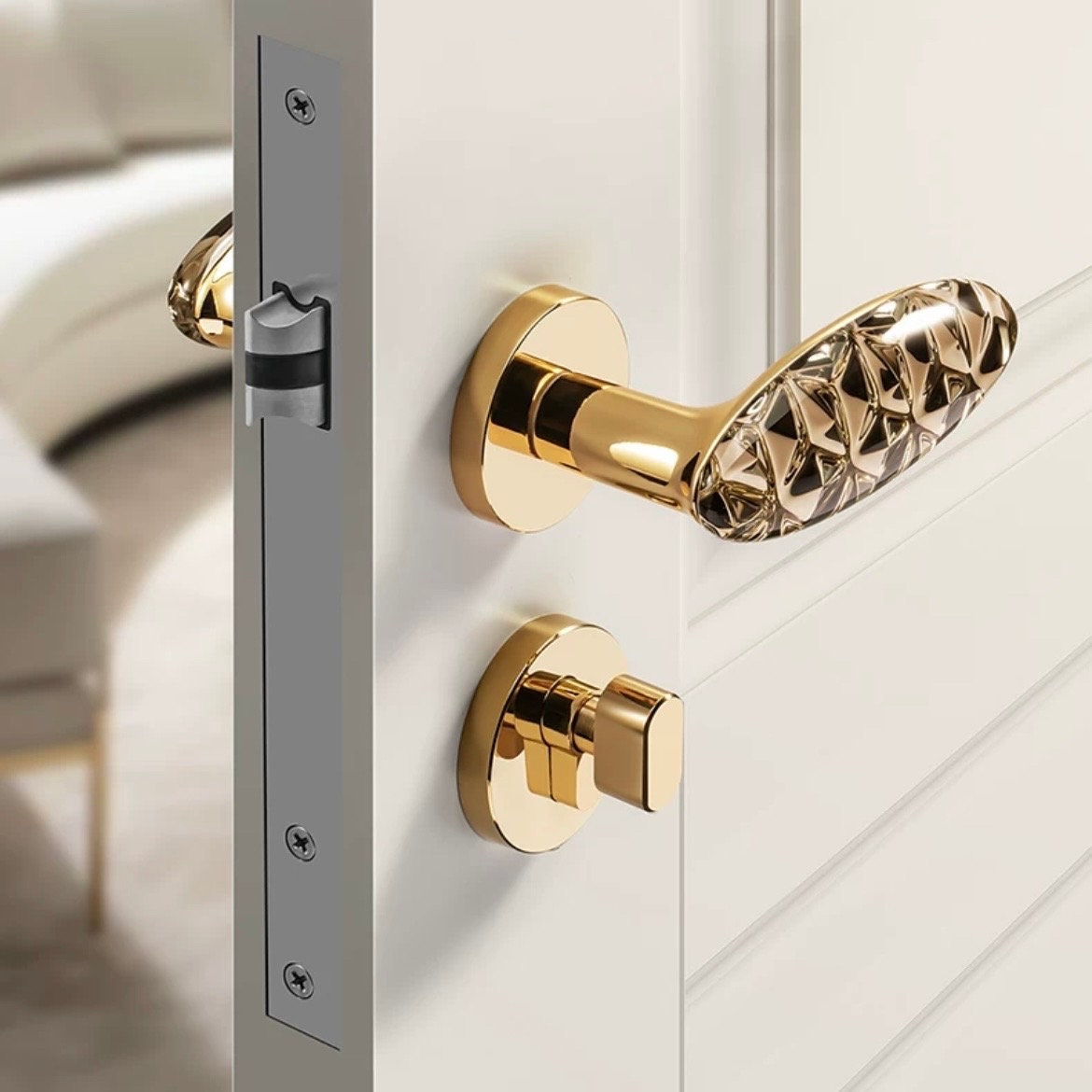
- Open and close every door and window to check for smooth operation
- Check that window seals are intact with no gaps that could let in dust, heat, or rain
- Confirm locks and handles function properly on all doors, including balcony doors
- Check for scratches or chips on glass, mirrors, and glossy surfaces
- Inspect flooring for cracked, loose, or unevenly laid tiles — the marble/ball test works well here on flat surfaces
- Check grout lines are even and free of gaps
Kitchen and Bathroom Checks
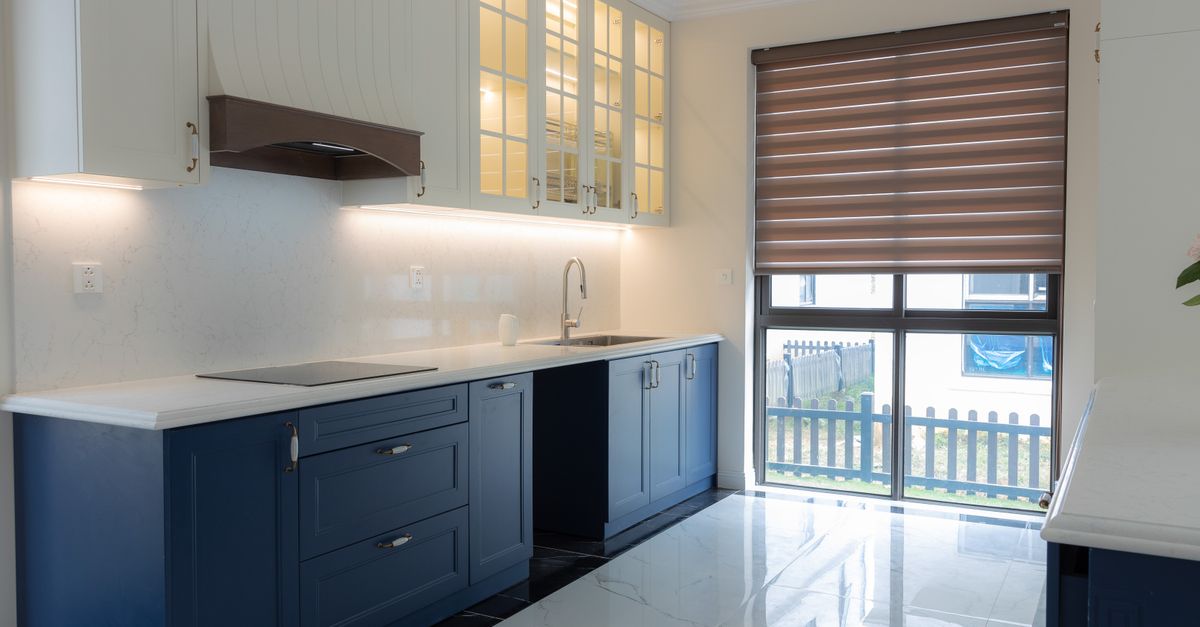
- Open and close every cabinet and drawer in the kitchen
- Check that kitchen countertops have no chips, cracks, or uneven seams
- Confirm space and connections are ready for your refrigerator, oven, and washing machine if not built-in
- Check the kitchen extractor fan or ventilation works
- In bathrooms, check shower drainage — pour a bucket of water and confirm it drains without pooling
- Check that all bathroom fittings (taps, showerheads, towel rails) are securely fixed
- Confirm exhaust fans in bathrooms are functional, since poor ventilation leads to mould over time
Common Areas and Building-Level Checks
If you're buying in a tower, don't stop at your own unit door.
- Check lobby, corridor, and lift finishing quality — this reflects ongoing maintenance standards
- Confirm parking allocation matches what's stated in your SPA
- Test access cards or fobs for your unit, building entrance, and parking
- Ask about the handover status of shared amenities (pool, gym, garden) if these were part of your purchase decision
How to Log and Submit Your Snag List
Once you've completed your walkthrough:
- Photograph every defect with the location clearly visible in frame
- Number each defect and match it to a written description
- Submit your snag list to the developer or handover team in writing — email is best for a paper trail
- Ask for a written timeline for when defects will be resolved
- Do not sign the final handover/acceptance form until agreed defects are fixed, or until you have written confirmation of a fix timeline
If a developer is unresponsive or disputes valid snags, ARRA provides a formal complaint channel for buyers — covered in more detail in our ARRA guide. Keeping your registration and SPA documents organized also helps here; if you need a refresher on that process, see our guide to Ajman property registration.
[IMAGE: "Person Signing in Documentation Paper" | alt: "Buyer signing off on snag list with developer"]
Should You Hire a Professional Snagging Inspector?
For a studio or 1-bedroom unit, a careful buyer can usually manage the inspection themselves with this checklist. For villas, larger apartments, or if you're an overseas buyer unable to attend in person, a professional snagging company is worth the cost — typically a few hundred to low thousands of AED depending on unit size. They carry thermal imaging equipment and can catch issues like hidden damp or insulation gaps that aren't visible to the eye.
Conclusion
Snagging isn't about being difficult with your developer — it's about making sure the property you paid for is the property you actually receive. A thorough inspection before signing the handover form protects your investment, saves you from expensive post-handover repairs, and gives you real leverage while the developer is still obligated to fix issues.
Ready to Move Into Your New Ajman Home?
Whether you're approaching handover on an off-plan unit or still browsing options, IM Properties can guide you through every stage — from selecting the right off-plan project to post-handover property management. Explore off-plan properties for sale in Ajman or speak to our team for handover support.
Frequently Asked Questions
What is snagging in real estate?
Snagging is the process of inspecting a newly completed property for defects — structural, cosmetic, or mechanical — before formally accepting handover from the developer.
Who pays for snagging inspections in Ajman?
The buyer typically arranges and pays for their own snagging inspection, whether done personally or through a professional inspection company.
What happens if I find defects during snagging?
You should log every defect in writing with photos and submit it to the developer before signing the final handover form. Developers are generally required to fix agreed defects within a set timeframe.
Can I refuse to sign the handover form?
Yes. You are not obligated to sign an acceptance form until agreed defects are resolved or you have written confirmation of a repair timeline from the developer.
How long does the snagging and handover process usually take?
A single unit inspection typically takes 1–3 hours. Defect resolution timelines vary by developer and issue severity, ranging from a few days to several weeks for major items.
Is snagging different from a home inspection?
They're related but not identical. Snagging specifically targets defects in newly built or off-plan units before first handover, while a general home inspection can apply to any property, new or resale.
You Might Also Like



Stay Updated with Market Insights
Get exclusive real estate market analysis, investment opportunities, and expert tips delivered straight to your inbox every week.
Trusted by 850+ customers · ★★★★★ 4.9/5 average rating