

Real Estate Tokenization in UAE 2026: Can You Buy Fractional Property in Ajman?
Let's be real — buying property in the UAE used to mean you needed a serious chunk of money sitting in your bank account. Not anymore. In 2026, t...
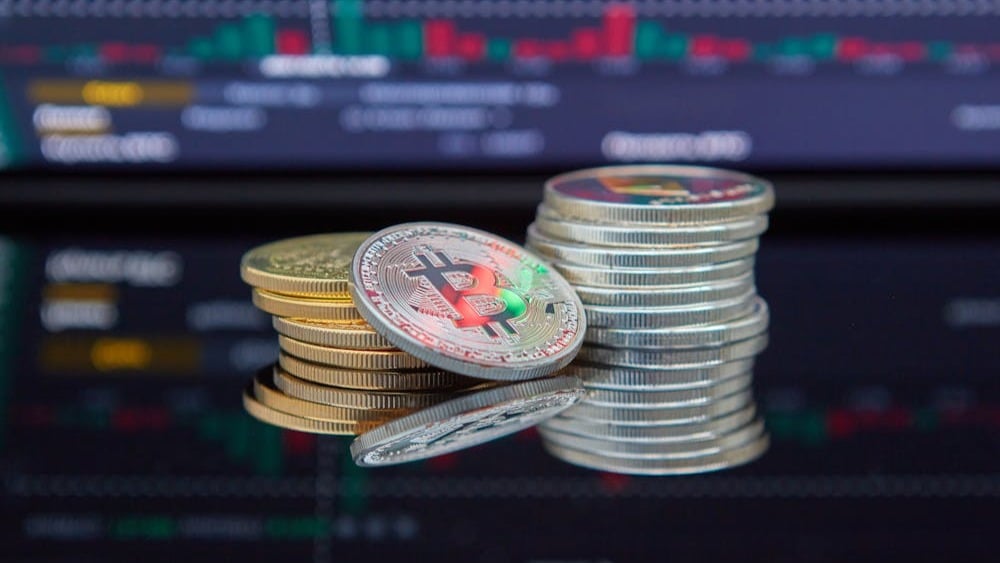
Let's be real — buying property in the UAE used to mean you needed a serious chunk of money sitting in your bank account. Not anymore. In 2026, things are changing fast. You can now invest in real estate with as little as AED 2,000, trade property like a stock, and even pay with Bitcoin in some cases.
But here's the honest answer to the big question: Can you buy fully tokenized real estate in UAE right now — specifically in Ajman, the blockchain kind, where your ownership is recorded on-chain and tied to a title deed? Not yet. Dubai is leading that charge. Ajman, though, isn't far behind — and it already offers some solid fractional and crypto-friendly options.
This guide breaks everything down in simple words. No fluff. Just what you actually need to know.
If you're exploring beyond digital investments, you can buy property in Ajman the traditional way or rent property in Ajman to test the market before committing.
1. What Does "Tokenized Real Estate" Actually Mean?
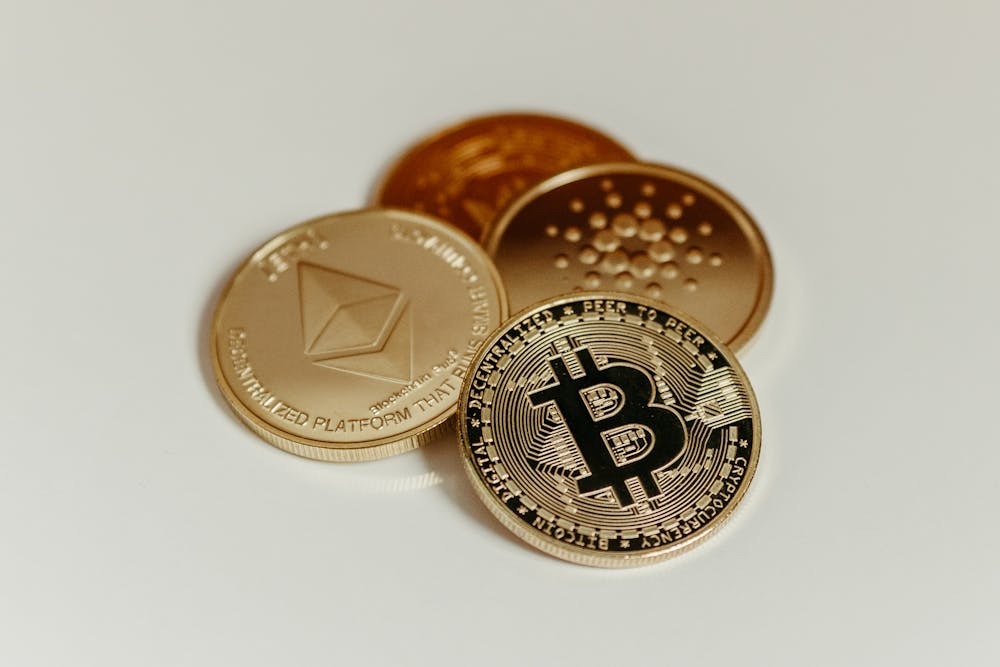
Think of it like this — imagine a property worth AED 1 million being split into 1,000 digital tokens, each worth AED 1,000. You buy a token, you own a fraction of that property. When the property earns rent, you get your share. When it goes up in value, so does your token.
That's real estate tokenization in the UAE in a nutshell. It uses blockchain technology — the same thing that powers Bitcoin — to record your ownership digitally. It's transparent, secure, and way faster than traditional property deals.
But don't confuse these two things. Tokenized ownership means your share of a property is minted as a digital token on the blockchain, linked to an official title deed. Crypto payments just means you pay for property using Bitcoin or USDT, but the ownership process is still the old-school way. Both are happening in the UAE right now — but they're very different things.
2. UAE Real Estate Tokenization in 2026 — What's Actually Happening
Dubai is the global leader right now, and the numbers back it up.
The Dubai Land Department (DLD), working alongside VARA (the Virtual Assets Regulatory Authority), launched Phase 1 of their official tokenization pilot in late 2024. Then in February 2026, Phase 2 went live — and this was a big deal. For the first time, investors could trade property tokens on a live secondary market. That means you can now buy a token in the morning and sell it by the afternoon, just like a stock.
Here's a quick snapshot of where things stand: over $5 million worth of tokenized assets are actively tradable, 7.8 million tokens have been issued, and the long-term target is 7% of Dubai's real estate market tokenized by 2033 — that's roughly $16 billion worth of property.
The main platforms running this right now are Prypco Mint and Ctrl Alt, both operating on the XRP Ledger blockchain. Some wild stats from Prypco alone: 149 investors bought into one property in under 2 minutes. One villa sold out in less than 5 minutes. That kind of speed just doesn't happen in traditional real estate.
Other players making noise include Deed (based in DIFC, entry from AED 500), SmartCrowd, and Stake. Big developers like DAMAC and MAG have also announced tokenization plans — so this space is moving fast.
3. Ajman Right Now — What Can You Actually Do?
If you're looking for the full Dubai-style tokenized real estate UAE experience in Ajman — where your ownership is a blockchain token tied to an official title deed — that doesn't exist yet. But that doesn't mean Ajman is behind. Here's what IS available right now.
Traditional Fractional Ownership — Yes, Available
You can buy fractional shares of property in Ajman through legal co-ownership structures. This usually works through an SPV (Special Purpose Vehicle) — basically a company set up specifically to own the property, and you hold shares in that company. Some developers also offer simple shared title deeds, where multiple owners are registered directly.
The Ajman Land Department and RERA oversee these arrangements, so they're legally protected. You get rental income based on your share, and you can exit by selling your shares when you want out.
Crypto-Friendly Property — Growing Fast
Ajman is becoming one of the more crypto-forward emirates when it comes to property payments. Several developers now accept Bitcoin, Ethereum, and USDT for off-plan and ready properties. The process is clean — your crypto gets converted instantly via an escrow service, so the developer receives AED and you get your property. No weird complications.
There's also something interesting happening with Ajman Bank and Fasset — they're exploring Shariah-compliant tokenized Real World Assets (RWAs), which could eventually include real estate. Still early-stage, but it's a sign that Ajman-based tokenization is on the horizon.
4. How Dubai's Tokenization Process Actually Works
Curious how the whole thing works behind the scenes? Here's the step-by-step process that platforms like Prypco Mint follow.
Step 1 — Property Selection: A developer lists a property for tokenization. It goes through due diligence — valuation, legal checks, title deed verification.
Step 2 — SPV Setup: A Special Purpose Vehicle is created to legally own the property. When you buy tokens, you're buying shares in this company.
Step 3 — Blockchain Minting: The property gets "minted" — its details are recorded on the XRP Ledger, and tokens are created. These are linked to the official DLD title deed.
Step 4 — Token Sale: You complete KYC (identity verification), fund your account, and buy tokens. Simple.
Step 5 — Earn Rental Income: Once the property is rented out, income is distributed to token holders based on their percentage.
Step 6 — Secondary Market Trading (New in 2026): You can now sell your tokens to other investors without waiting for the property itself to sell.
The whole process from property selection to investment-ready used to take weeks. In Phase 2, some properties go live within days.
5. How Traditional Fractional Ownership Works in Ajman
Since full tokenization isn't live in Ajman yet, this is the main route for fractional property investment in Ajman right now.
The Ajman Land Department governs these arrangements. When multiple buyers co-own a property, all owners are registered on the title deed, or ownership is structured through a licensed SPV. Either way, your ownership is legally documented and protected.
What you get from fractional property in Ajman: a share of rental income (yields often between 6–9% depending on location and property type), appreciation when values go up, and exit options through selling your share to another buyer.
The catch? It's less liquid than tokenized property. You can't tap a button and sell in minutes. Finding a buyer takes time. But for long-term investors who aren't in a rush, Ajman's affordability makes it genuinely attractive.
6. Paying for Property with Crypto in Ajman and the UAE
This is one area where the UAE — including Ajman — is way ahead of most of the world. You can literally pay for a property with Bitcoin. Here's how it works in practice.
You find a developer who accepts crypto. You transfer BTC, ETH, or USDT to an escrow wallet. The escrow service converts it to AED at the current exchange rate. The developer receives AED. Your ownership is registered normally through the Land Department. Done.
The big advantage of stablecoins like USDT is avoiding crypto price volatility during the transaction. If you pay with Bitcoin and it drops 10% mid-transfer, that's a real problem. USDT is pegged to the dollar, so no surprises.
7. Why Would Anyone Choose This Over Just Buying Property Normally?
Fair question. Here's what actually changes.
For investors, the benefits are real: you can start with AED 2,000 instead of AED 500,000+. You can spread money across 5 properties instead of betting everything on one. In Dubai, you can sell tokens without waiting for a full property sale. Everything is on the blockchain, so there's no funny business with the financials. And rental yields get distributed automatically — no landlord headaches.
For the market as a whole, deals that used to take months now clear in minutes. Someone in Riyadh, London, or Singapore can invest in Dubai property without flying in. More buyers means fairer property valuations.
The stats don't lie. Prypco sold out a villa in under 5 minutes. That's just not possible in traditional real estate.
8. What Are the Risks?
This isn't all sunshine. Here's what you need to think about.
Regulatory risk. The rules are still being written. UAE's framework is solid compared to most countries, but it's young. Always use platforms officially licensed under DLD/VARA (in Dubai) or equivalent authorities.
Platform risk. If a platform shuts down, what happens to your tokens? In Dubai, since ownership is tied to DLD title deeds, your legal claim should survive even if the platform doesn't. But verify this before you invest.
Liquidity risk. The secondary market is live in Dubai, but it's still new and small. For less popular properties, finding a buyer for your tokens might not be instant. Don't invest money you might need tomorrow.
Due diligence checklist before investing:
- Is the platform licensed by DLD/VARA or an equivalent authority?
- Is the title deed verifiable through the official Land Department?
- Is the SPV structure clearly documented and legally registered?
- What are all the fees — management, platform, exit?
- What's the exit process and how long does it take?
- Has the property been independently valued?
- How is rental income distributed, and how often?
9. Dubai vs Ajman 2026 — Head-to-Head
10. Legal Framework — What Protects You
In Dubai, the combination of DLD oversight and VARA regulation gives investors strong protection. Your tokenized ownership is linked to an official title deed, meaning it's not just "on the blockchain" — it's backed by UAE real estate law.
In Ajman, the Ajman Land Department and RERA govern real estate transactions. Co-ownership and fractional structures are legally recognized. For crypto payments, transactions go through regulated escrow services to ensure AML compliance.
For non-UAE residents foreign ownership of freehold property is allowed in designated zones across most UAE emirates. You don't need a UAE ID to invest, though you'll need to complete KYC on whichever platform you use.
11. Will Ajman Launch Tokenization? (2026–2030)
The honest answer is: probably yes, just a matter of when.
A few signals point this way. Ajman Bank's exploration of Shariah-compliant tokenized RWAs through Fasset is the most concrete one — if that expands to include real estate, Ajman could enter the tokenization space with a uniquely Islamic-finance-compatible angle, which is a genuine differentiator.
The broader UAE trend is also hard to ignore. Dubai proved the model works. Other emirates won't want to be left behind in a race that's clearly attracting global capital. Ajman's affordability actually gives it an edge — tokenizing lower-cost properties means more accessible entry points for retail investors.
Some industry observers are already calling Ajman a potential "affordable tokenized gateway" — the place where first-time fractional investors get started before moving up to Dubai-priced assets. If Ajman Bank and Fasset move forward, the first option to buy property with token in Ajman could realistically appear by 2027–2028.
Final Thoughts
Dubai leads the tokenization race right now — live secondary market, solid regulation, real results. Ajman brings the affordability and crypto-friendly options that make UAE real estate accessible to more people than ever before.
The bottom line is simple. You no longer need half a million dirhams to get started. The tools to build a real estate portfolio — low entry, passive income, and real legal protection — are already here in 2026.
Do your homework, use licensed platforms, and start small if you're new to this. The opportunity is real.
Frequently Asked Questions
What's the minimum investment in Ajman vs Dubai?
In Dubai, tokenized property starts from AED 2,000 on platforms like Prypco Mint and Deed. In Ajman, traditional fractional ownership minimums vary by developer — many start around AED 25,000–50,000, though this is changing as more options emerge.
Is tokenized ownership legally registered?
In Dubai, yes — tokenized ownership is linked to an official DLD title deed, making it legally binding. In Ajman, fractional property in Ajman is registered with the Ajman Land Department.
Can I sell my tokens instantly in 2026?
In Dubai, the secondary market went live in February 2026, so you can list tokens for sale. Whether you find a buyer instantly depends on the property and demand — popular properties go fast, niche ones might take longer. In Ajman, traditional fractional shares don't have an instant trading mechanism yet.
What rental yields can I expect on fractional property in Ajman?
Depending on the area and property type, yields of 6–9% are realistic for well-located residential units. These are gross figures — deduct management fees and platform costs for your net return.
What happens to my tokens if the platform shuts down?
In Dubai, since tokens are linked to DLD title deeds, your legal ownership of the property should be preserved even if a platform closes. The platform is a middleman, not the source of your ownership rights. Always verify this with the specific platform before investing.
Is Shariah-compliant tokenized real estate available?
This is an emerging area. Ajman Bank and Fasset are exploring Shariah-compliant tokenized RWAs, which would structure investments as equity ownership with no interest element. Worth watching closely if this matters to you.
Ali Ahmad
Ali Ahmad is a licensed property consultant at IM Properties LLC, Ajman. With 3 years in Ajman's real estate market, he helps buyers and families find the right home by matching properties with lifestyle needs — from school proximity and daily commute to neighborhood dining and community feel. He has facilitated 100+ property transactions across Al Rashidiya, Ajman Downtown, and Emirates City. Ali writes about market trends, investment strategies, and the neighborhoods that make Ajman one of the UAE's most livable emirates.
You Might Also Like


Stay Updated with Market Insights
Get exclusive real estate market analysis, investment opportunities, and expert tips delivered straight to your inbox every week.
Trusted by 850+ customers · ★★★★★ 4.9/5 average rating