

Pakistani Expats in UAE: Why Ajman Is Your Best Investment Choice in 2026
Most Pakistanis in UAE are working hard, saving whatever they can, and wondering where to actually put that money. Dubai feels like it's built for...
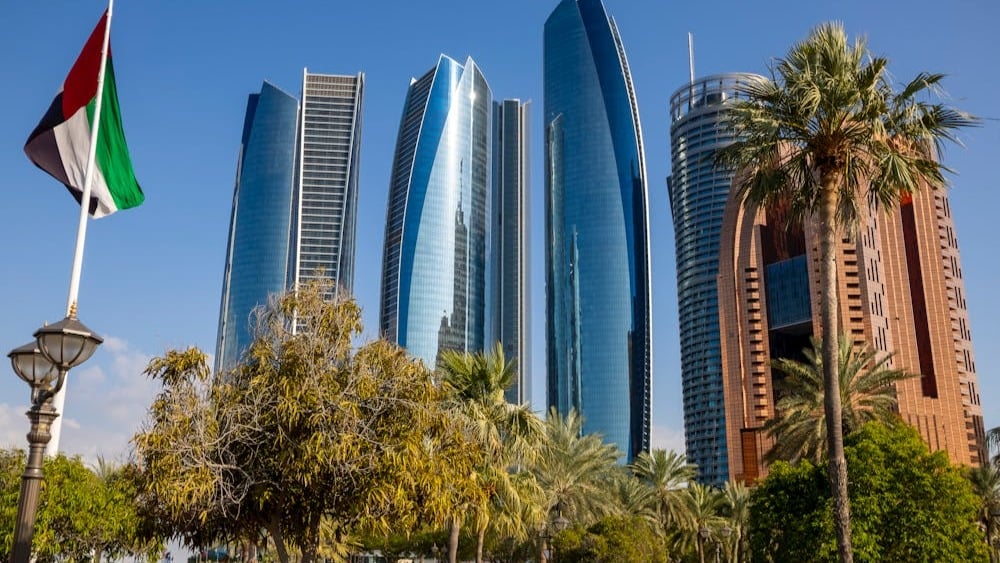
Most Pakistanis in the UAE are working hard, saving whatever they can, and wondering where actually to put that money. Dubai feels like it's built for someone else's budget. Sharjah doesn't give you real ownership. And sending everything back home has its own risks. So people are looking at Ajman. And when they look properly, most of them don't look away.
This isn't a sales pitch. It's a straight answer to a question a lot of Pakistani expats in the UAE are asking right now. You'd have to be living under a rock to not know about the US-Israel-Iran conflict that kicked off in late February 2026. The UAE handled it like a country that's been through turbulence before and knows how to hold steady.
Does it affect your investment thinking? It should factor in, yes. But property in Ajman at AED 300–400 per square foot isn't a stock that crashes on bad news. It's a physical asset. It sits there. It generates rent. It holds value.
Watch the news. Stay informed. But don't let fear make your financial decisions for you.
1. Why Ajman, and Why Now?
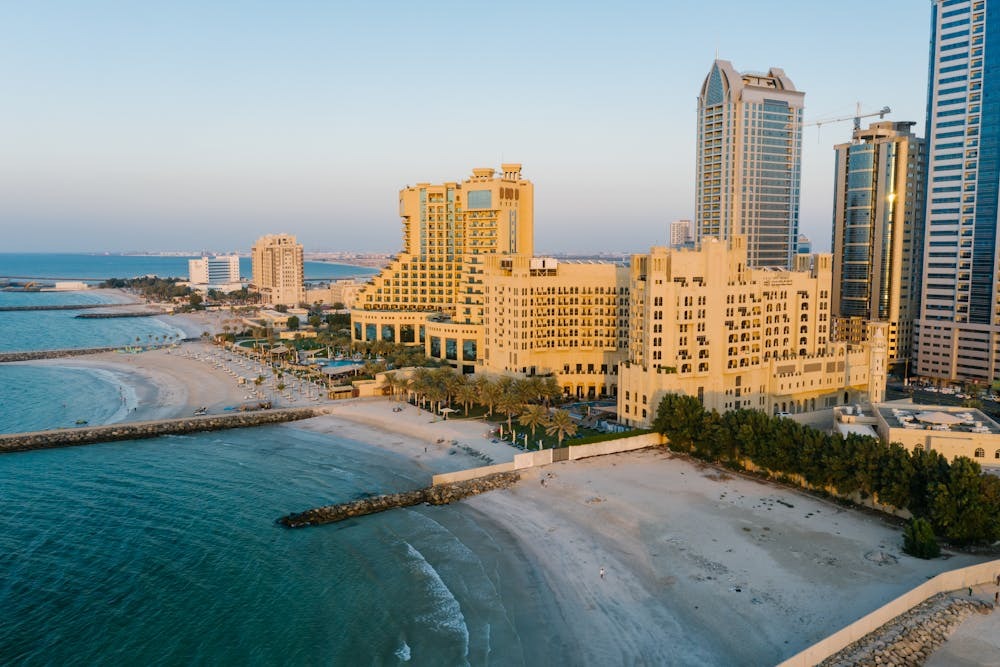
Ajman is only 40 kilometres from Dubai. Small emirate, but growing fast — and still genuinely affordable in a way Dubai and Sharjah no longer are.
The number of Pakistanis in UAE choosing Ajman for investment has gone up because the math simply works:
- Dubai averages AED 1,200–1,500 per sq ft. A basic 1-bedroom is AED 800K–1.2 million. That's out of reach for most people on regular salaries.
- Sharjah is cheaper, but as a Pakistani expat you don't get freehold ownership there. You get a 100-year lease. Not the same thing.
- Ajman gives you full freehold property starting from AED 200,000, with rental yields of 8–10% — among the best in the UAE.
That's the core of it. Low entry, real ownership, solid returns.
Check out the latest Ajman market numbers for March 2026 if you want to see how prices and demand are holding up right now.
2. What Makes Property Investment in Ajman Worth It?
High rental yields
8–10% annually in areas like Al Nuaimiya and Al Rashidiya. Dubai Marina gives you 5–7%. JVC around 7–8%. For pure rental income, Ajman beats them both — especially at the price points Pakistani investors are working with.
Freehold property in Ajman — actually yours
This matters more than people realise. Freehold means your name is on the title deed. You can sell, rent, gift, or pass it to your kids. No expiry, no landlord above you. Sharjah gives you a lease. Ajman gives you ownership.
It's also worth knowing that Ajman has a well-established Free Zone (AFZA) that brings in businesses and workers — which means steady demand for rental housing. Good for landlords.
Flexible payment plans
Most off-plan projects in Ajman ask for 10–20% upfront and spread the rest over 3–7 years. Some developers structure it so your monthly instalment is covered by what your tenant pays. For Pakistani expats in UAE who are already stretched between rent, remittances, and daily life — this kind of entry point is actually manageable.
Location
Emirates Road connects Ajman directly to Dubai and Sharjah. Loads of Pakistanis in UAE already live here and commute. Schools, hospitals, retail — it's all there.
3. Ajman vs Dubai vs Sharjah — Quick Comparison
The honest summary: Under AED 500,000 and want real ownership with good yield? Ajman. Have AED 1M+ and want long-term capital growth? Dubai's mid-range (JVC, Business Bay) is worth considering. Living there with family and not primarily investing? Sharjah is fine — but don't expect freehold rights.
4. The Legal Side — How It Actually Works
In 2008, Ajman's ruler issued Amiri Decree No. 7 and 8. That decree opened freehold property ownership in Ajman to non-GCC foreigners. Before that, expats couldn't own property here at all.
Today, Pakistani nationals can own full freehold property in Ajman's designated investment zones. The Ajman Land Department (ALD) handles all registrations and issues your title deed.
Buying process, simplified:
- Pick your property — off-plan or ready
- Do basic due diligence — confirm it's in a freehold zone, check the developer is ALD-registered
- Sign the Sales and Purchase Agreement (SPA) and pay booking deposit (5–10%)
- Register at the Ajman Land Department — bring passport, SPA, payment proof
- Pay 3% registration fee (or AED 3,000 minimum, whichever is higher)
- Receive your title deed — also downloadable via Ajman.re with UAE Pass
Mistakes to avoid:
- Buying outside freehold zones and assuming you have full rights
- Transferring money without a signed SPA (this happens, and it ends badly)
- Not budgeting for service charges and maintenance — these add up
- Expecting a visa just because you bought a property (read Section 6 on this)
If you need guidance on any of this, the team at IM Properties can walk you through it without the usual sales pressure.
5. Best Areas and Property Types for Pakistani Investors
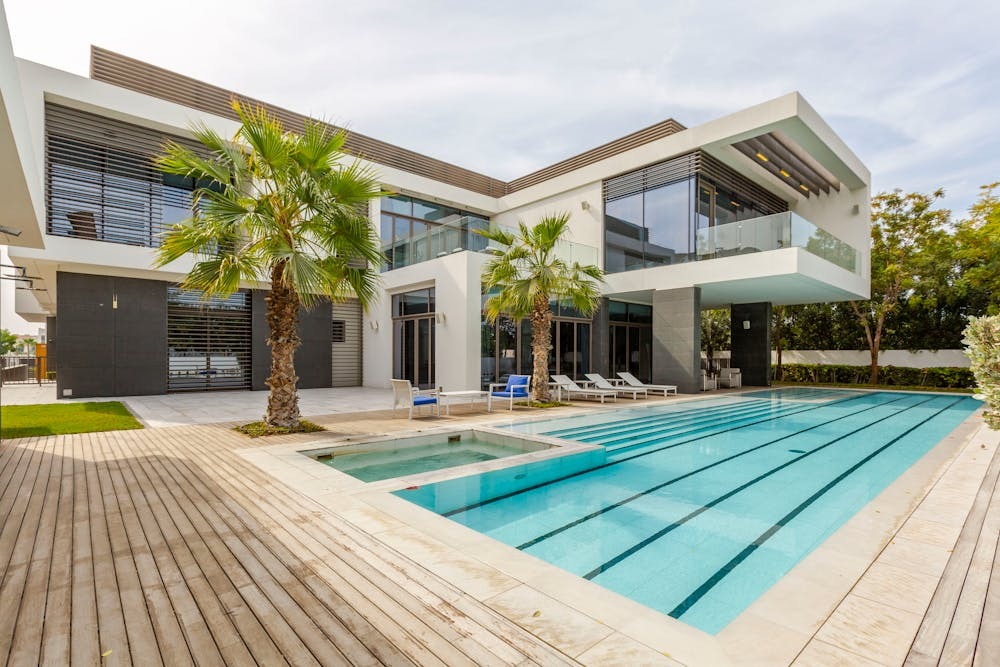
Al Nuaimiya — Most established area. Schools, shops, everything nearby. Reliable rental demand. Good for steady income from studios and 1-bedrooms.
Al Rashidiya — High-rise, modern, popular with young working expats. Yields hit 8–9% regularly. Great for buy-to-rent investors who don't want to manage actively.
Ajman Corniche — Waterfront, newer buildings, slightly higher prices but still affordable. Best if you're thinking 5+ years ahead and want some appreciation alongside rental income.
Al Helio / Al Yasmeen — Suburbs, villas, townhouses. Quieter, family-oriented. Pakistani families are moving here. Medium-term appreciation play.
What to buy:
Studios (AED 200K–350K) — high demand, higher turnover tenants. Good yield but needs more management.
1-bedrooms (AED 350K–550K) — the sweet spot. Stable tenants, easy to manage, solid yield.
2-bedrooms (AED 500K–800K) — good if you want to live there and invest at the same time.
Villas (AED 700K+) — long-term tenants, lower turnover, slower to sell. Hold for 5+ years.
Browse current options directly: buy a property in Ajman or check rental listings in Ajman.
6. Residency & Pakistani Visa in the UAE Through Property
This is probably the most misunderstood part of Ajman investment — so let's clear it up.
Can buying property in Ajman get you a UAE visa?
Yes — but only if the property is worth AED 750,000 or more. That threshold qualifies you for a 2-year renewable investor visa. The 10-year Golden Visa requires AED 2 million.
If you're buying a studio or 1-bedroom under AED 500,000, it won't give you a Pakistani visa in UAE or any other residency status on its own. Most Pakistani expats in UAE are already on employment visas — owning property below AED 750,000 doesn't change that. You're simply building wealth on the side.
The property investor visa is a real option once you cross AED 750K — and it lets you sponsor family too. Worth planning toward if that's your goal.
For the full picture on UAE visa changes, this guide explains it well: New UAE visa rules and what they mean for your future.
7. What to Expect from Rental Income
Most Pakistani investors in Ajman go long-term rental. It's simpler, more stable, and doesn't need daily management.
Realistic numbers:
Net yield after service charges and management: around 6.5–8%.
A few tips to get the most out of your property:
- Furnished units rent for 15–20% more
- Use a property manager if you're not in Ajman day-to-day (5–10% of annual rent is worth it)
- Register tenancies through EJARI — it protects you legally
- Keep service charge payments current — arrears can block your ability to rent
8. The Risks — Honestly
Every competitor article glosses over this. We won't.
Capital appreciation is slow. Ajman doesn't spike like Dubai. You might see 5–10% price growth over 3 years. If you're looking for quick capital gains, Ajman isn't your market.
Resale takes time. The secondary market is thinner. Budget 6–12 months if you ever need to sell. Don't buy here if you might need to exit fast.
Developer quality varies. Some off-plan projects have had delays. Check ALD registration before committing to any off-plan purchase.
Oversupply in some pockets. Al Rashidiya in particular has seen a lot of new supply. Pick the building carefully — a newer, well-managed one outperforms older stock.
The currency angle for Pakistan-based buyers. PKR has weakened significantly. Holding AED-denominated property is actually a currency hedge — you're preserving value in a more stable currency.
9. Ajman Outlook: 2026–2030
Here's the bigger picture for affordable investment in Ajman:
Ajman's GDP grew 20% between 2020 and 2023. Infrastructure spending is ongoing. The Corniche is transforming. Population is rising as expats get priced out of Dubai and Sharjah. Pakistani, Indian, and Bangladeshi demand for housing isn't going anywhere — it's growing.
Post-ceasefire, the region will likely see a wave of pent-up buyer activity. People who paused tend to come back quickly when uncertainty settles.
At AED 300–400 per sq ft, Ajman is still underpriced relative to what it offers. That gap won't stay open forever. The 2026–2030 window is when Ajman moves from "alternative" to "established" — and getting in before that repricing is the whole point.
Ready to Take the Next Step?
If this made sense to you, talking to someone who knows Ajman's market properly costs nothing.
IM Properties works with Pakistani expats in UAE every day — helping them find the right property, understand the paperwork, and make a decision they're confident in. No jargon, no pressure.
Browse properties to buy in Ajman or find a rental in Ajman — either way, we're here when you're ready.
FAQs
Why invest in Ajman property?
Because the numbers work. Freehold property in Ajman from AED 200,000. Rental yields of 8–10%. Full ownership rights. A growing population of working expats who need affordable housing. For middle-income Pakistani expats in UAE looking for somewhere real to put their savings, Ajman for investment makes more sense right now than Dubai or Sharjah at the same budget.
How do you make an agreement for Ajman property investment?
It starts with a Sales and Purchase Agreement (SPA) — a legally binding contract between you and the seller or developer. You agree on price and terms, the SPA is drafted with property details, payment schedule, and handover date. Both sides sign, and you pay a booking deposit of 5–10%.
For resale properties, a Memorandum of Understanding (MOU) is usually signed first. For off-plan, the developer provides a standard SPA — read it carefully, especially the delay penalties.
After signing, both parties register at the Ajman Land Department, pay the 3% fee, and your title deed is issued. One important step most people skip: get a UAE-registered lawyer to review the SPA before you sign. It costs little and protects you a lot.
Can Pakistanis buy freehold property in Ajman?
Yes. Since Amiri Decree No. 7 and 8 in 2008, Pakistani nationals can own 100% freehold property in Ajman in designated investment zones. Title deed in your name, full rights to sell, rent, inherit, or mortgage. This is a real advantage over Sharjah, where non-GCC expats only get a usufruct lease.
What's the minimum investment to buy property in Ajman?
Studios start around AED 200,000–250,000. With a mortgage (25% down for expats), you'd need roughly AED 60,000–70,000 upfront plus registration fees. Cash buyers can enter from around AED 220,000–230,000 all-in. This is what makes affordable investment in Ajman accessible for most working Pakistani expats in UAE.
Do you get a Pakistani visa in UAE by buying property in Ajman?
Only if the property is worth AED 750,000 or more — that qualifies for a 2-year property investor visa. Below that, it doesn't grant residency on its own. Most Pakistanis in UAE are already on employment visas, so property ownership below AED 750K is simply an investment, not a visa route. For details on current visa rules: UAE visa changes explained.
Which area in Ajman is best for investment?
For rental yield: Al Nuaimiya and Al Rashidiya. For long-term appreciation: Ajman Corniche and Al Helio. For families wanting space: Al Yasmeen and villa communities. It depends on whether you want income now or growth over time.
Is Ajman better than Dubai for investment?
For most Pakistani expats in UAE — yes, at the budgets most people are working with. Ajman offers higher rental yields (8–10% vs Dubai's 6–8%) and entry prices that are 3–4x lower. Dubai wins on capital growth and resale liquidity. Under AED 500K, Ajman is the stronger play.
How much does it cost to register property in Ajman?
3% of the property value, or AED 3,000 minimum — whichever is higher. Plus AED 350 for the title deed. On a AED 450,000 apartment, you're looking at AED 13,500 in registration fees plus the deed charge.
Ali Ahmad
Ali Ahmad is a licensed property consultant at IM Properties LLC, Ajman. With 3 years in Ajman's real estate market, he helps buyers and families find the right home by matching properties with lifestyle needs — from school proximity and daily commute to neighborhood dining and community feel. He has facilitated 100+ property transactions across Al Rashidiya, Ajman Downtown, and Emirates City. Ali writes about market trends, investment strategies, and the neighborhoods that make Ajman one of the UAE's most livable emirates.
You Might Also Like


Stay Updated with Market Insights
Get exclusive real estate market analysis, investment opportunities, and expert tips delivered straight to your inbox every week.
Trusted by 850+ customers · ★★★★★ 4.9/5 average rating